
14 nights/15 Days

Challenging

Nepal

Trekking/ Peak Climbing

6,461 M

Breakfast, Lunch & Dinner

Hotel / Mountain Lodge

Mar-May/ Sep-Nov

Min 2-12

Private vehicles/ Flight

Mera Peak, located in Nepal’s Khumbu region, is a popular destination for high-altitude climbers. Standing at 6,476 meters above sea level, it offers stunning views of Everest, Lhotse, Makalu, and Cho Oyu. Altitude sickness, unpredictable weather conditions, and physical fitness are key factors affecting altitude.
Acclimatization is crucial for minimizing altitude-related illnesses, while weather conditions like snowstorms and strong winds pose challenges. Physical preparation includes endurance training, strength exercises, and cardiovascular workouts. Mera Peak’s maximum altitude is 6,476 meters, offering a sense of achievement.
Adequate training, proper gear, and acclimatization are essential for a safe and enjoyable experience. Several routes lead to the summit, with the Mera La pass being the most commonly chosen path.
Safety measures include hiring experienced guides, carrying emergency equipment, and maintaining open communication with the support team. Experience from seasoned climbers can provide valuable insights and tips for aspiring mountaineers.
Mera Peak is best climbed during the spring and autumn seasons due to favorable weather conditions and optimal climbing conditions. Spring offers stable weather, clear skies, and mild temperatures, with longer days and longer days for climbing.
The autumn season, from September to November, offers stable weather, clear skies, and moderate temperatures. Both seasons offer excellent visibility and reduce the risk of adverse weather phenomena.
Climbers should consider their personal preferences, fitness level, and schedule when planning their expedition. The optimal time for Mera Peak climbing is during these seasons.
 Highest Altitude
|
1,350 M |
|---|
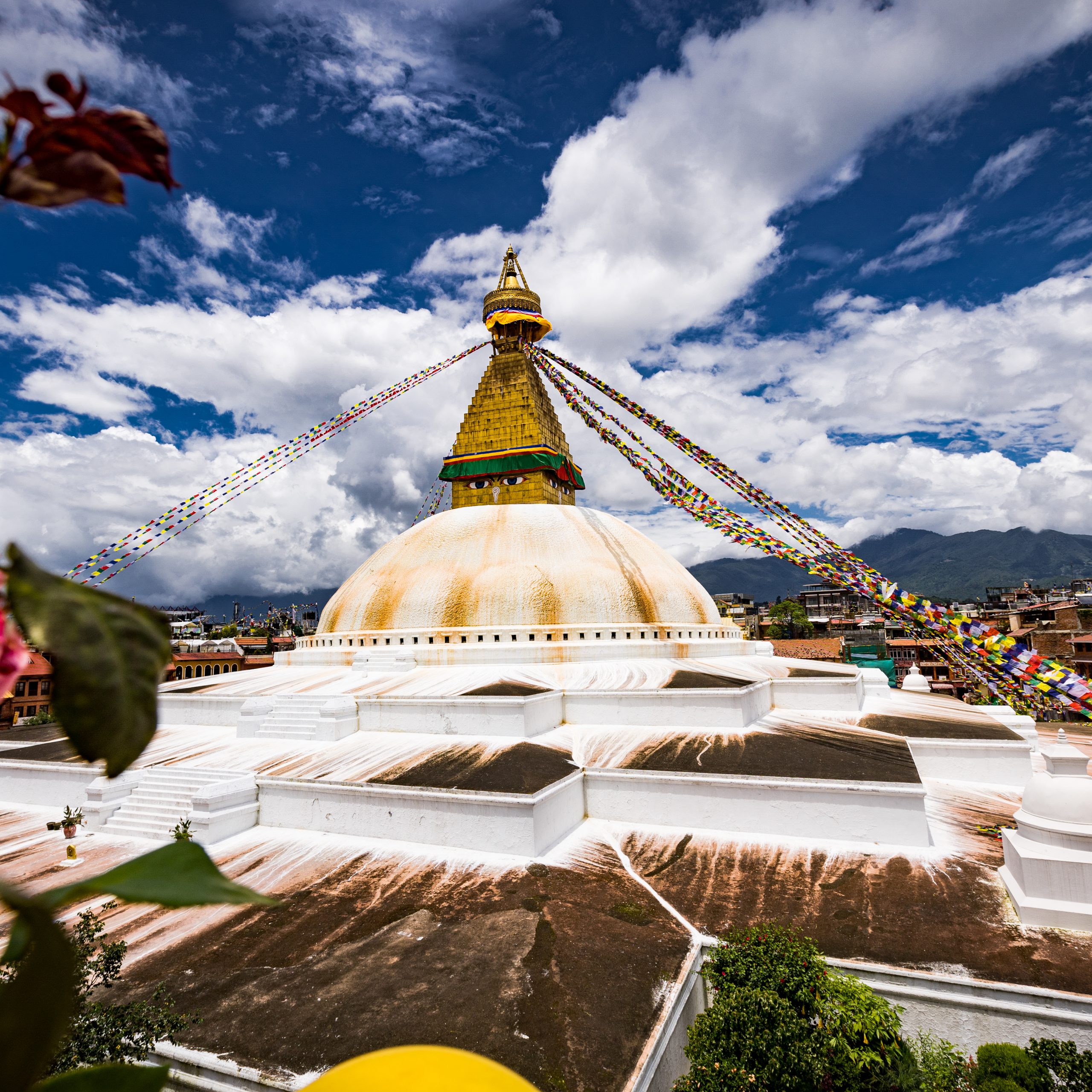
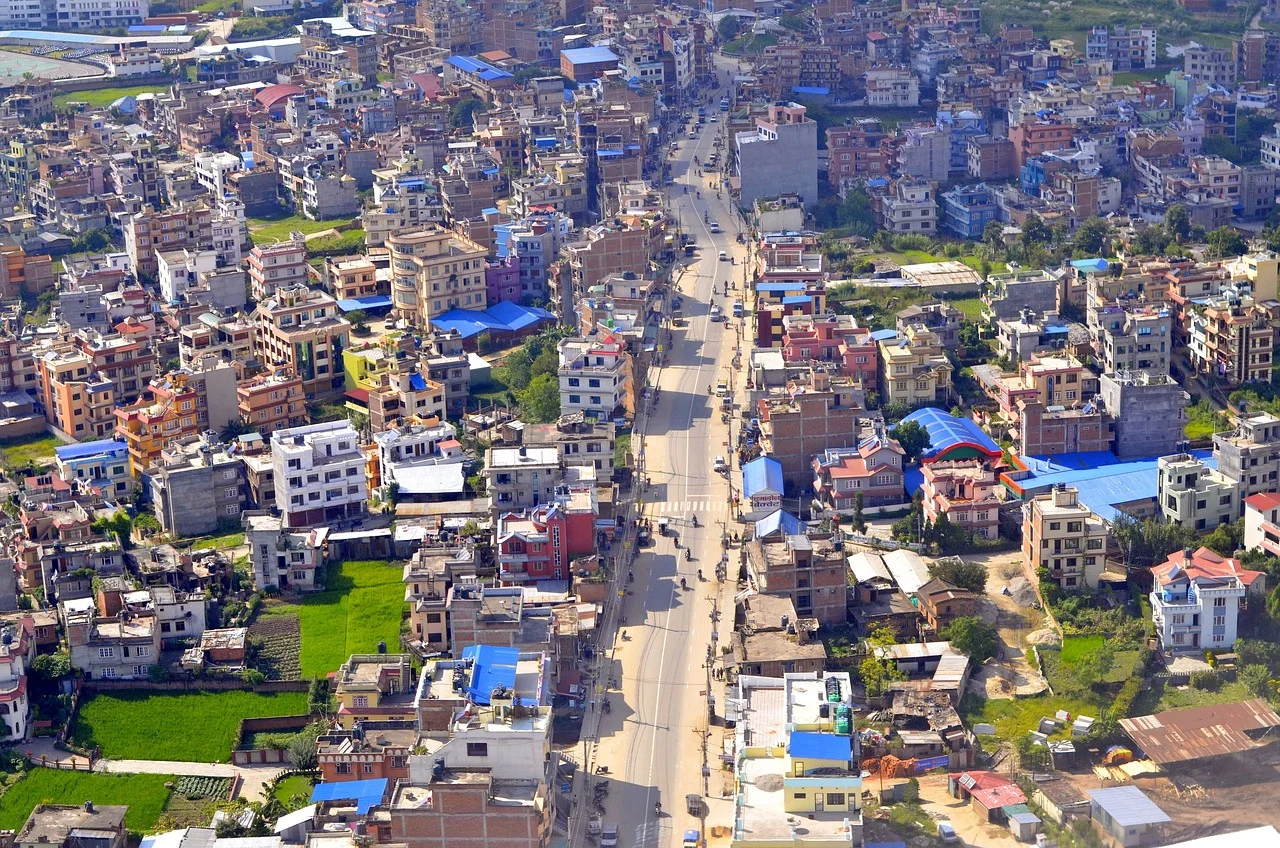
Upon landing in Kathmandu, the capital city of Nepal, travelers are greeted by the stunning Himalayan mountains and the vibrant atmosphere of the city. The airport staff assist with immigration and customs procedures, and travelers are immediately immersed in the city’s sights and sounds. The vibrant colors of traditional Nepalese clothing and market stalls offer a glimpse into the city’s rich cultural tapestry. As they reach their accommodations, they are treated to glimpses of Kathmandu’s iconic landmarks, such as ancient temples and ornate palaces. The warm hospitality and genuine Nepalese charm of the accommodations provide a peaceful retreat before embarking on their Himalayan adventure.
 Hotel
Hotel
 Flight hours
|
30 min |
|---|---|
|
Highest Altitude
|
3,400 M |
 Trek Duration
|
4 hrs |
The flight from Kathmandu to Lukla offers a scenic journey amidst the Himalayas’ towering peaks. The 30 minute flight takes passengers to the rugged terrain, where they witness the snow-capped peaks. Upon arrival, they disembark at Lukla Airport, known as Tenzing-Hillary Airport, and begin their trek to Chutanga. The 4-hour trek through lush forests and quaint mountain villages offers panoramic views of the Himalayas. At Chutanga, located at an altitude of 3,400 meters, travelers can rest and recharge before continuing their journey into the heart of the Himalayas. As the sun sets, travelers gather around a campfire, sharing stories and gazing at the star-filled sky.
Mountain Lodge
 Breakfast, Lunch & Dinner
|
Highest Altitude
|
4,610 M |
|---|---|
|
Trek Duration
|
6 HRS |
The trek from Chutanga to Thuli Kharka via the Zatrwa-La Pass is an exhilarating journey through the Himalayas, offering breathtaking views of the surrounding peaks. The trail begins with a gradual ascent through alpine meadows and rhododendron forests, then reaches the base of the high mountain pass at 4,610 meters. The ascent requires careful navigation and steady footing, but the stunning panoramic views of the surrounding mountains and valleys leave travelers in awe. Descending from the pass, the trail continues to Thuli Kharka, a high-altitude grazing pasture at 3,900 meters. After 6 hours, travelers gather around a campfire to share stories and marvel at the Himalayan landscape.
Mountain Lodge
Breakfast, Lunch & Dinner
|
Highest Altitude
|
3,678 M |
|---|---|
|
Trek Duration
|
5 hrs |
The trek to Kothe begins from Thuli Kharka, a high-altitude grazing pasture, and offers stunning views of the Himalayas. The trail descends through rhododendron forests and alpine meadows, offering a tranquil experience. As the trail progresses, the terrain becomes more rugged, with rocky paths and winding trails. Trekkers may encounter grazing yaks and local shepherds. After several hours, they reach Kothe village at 3,678 meters, where they are welcomed by friendly locals and offered traditional Nepalese cuisine. The village is a hub of activity, with teahouses and lodges providing comfortable retreats.
Mountain Lodge
Breakfast, Lunch & Dinner
|
Highest Altitude
|
4,356 M |
|---|---|
|
Trek Duration
|
4-5 hrs |
The trek from Ko to Thanak is a thrilling journey through the Himalayas, starting with a gentle ascent through rocky terrain and alpine meadows. The trail offers panoramic views of the surrounding peaks and valleys, with the sound of rushing streams and chirping birds providing a soothing backdrop. As the trek ascends, the landscape becomes more rugged, with steep inclines and rocky paths. The village of Thanak, situated at an altitude of 4,356 meters, offers a glimpse into the traditional way of life in the mountains. After a day of trekking, trekkers gather around a campfire, reflecting on their journey and preparing for the next day.
Mountain Lodge
Breakfast, Lunch & Dinner
|
Highest Altitude
|
5,045 |
|---|---|
|
Trek Duration
|
4 hrs |
The trek from Thanak to Khare is a challenging yet rewarding journey through the majestic Himalayas. The trail starts with a steady ascent through rocky terrain and alpine meadows, offering stunning views of the surrounding peaks and valleys. As they ascend, the landscape becomes more rugged, with steep inclines and rocky paths testing endurance. The village of Khare, situated at an altitude of 5,045 meters, serves as a base camp for climbers preparing to summit Mera Peak. After a day of trekking, trekkers gather around a campfire, sharing stories and anticipation for the final leg of their journey.
Mountain
Breakfast, Lunch & Dinner
A rest day in Khare allows trekkers to acclimatize to high altitude and prepare for the challenges ahead. The day starts with a leisurely breakfast in cozy teahouses and lodges, followed by an exploration of the village and surrounding areas. Trekkers are encouraged to stay hydrated and rest to adjust to the altitude. As the day ends, they gather for dinner in communal dining areas, sharing stories and reflecting on the Himalayas’ beauty. As they retire, they are filled with anticipation and excitement for the journey ahead.
Mountain Lodge
Breakfast, Lunch & Dinner
|
Highest Altitude
|
5,780 M |
|---|---|
|
Trek Duration
|
5 hrs |
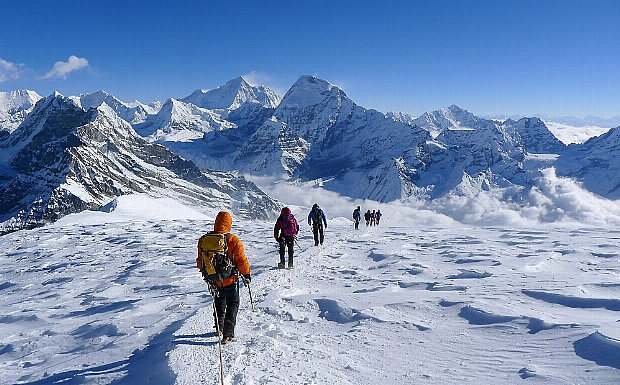
The climb to High Camp from Khare is a challenging yet exhilarating journey towards the summit of Mera Peak. The trail begins with a steep ascent through rocky terrain and snow-covered slopes, using crampons and ice axes. The descent creates a sense of exhilaration and adventure, with panoramic views of the surrounding mountains and glaciers. After several hours of climbing, trekkers reach High Camp at an altitude of 5,780 meters, offering a temporary refuge from the harsh mountain environment. The camp is filled with camaraderie and excitement, as trekkers share stories and prepare for the challenges ahead.
Tent Camp
Breakfast, Lunch & Dinner
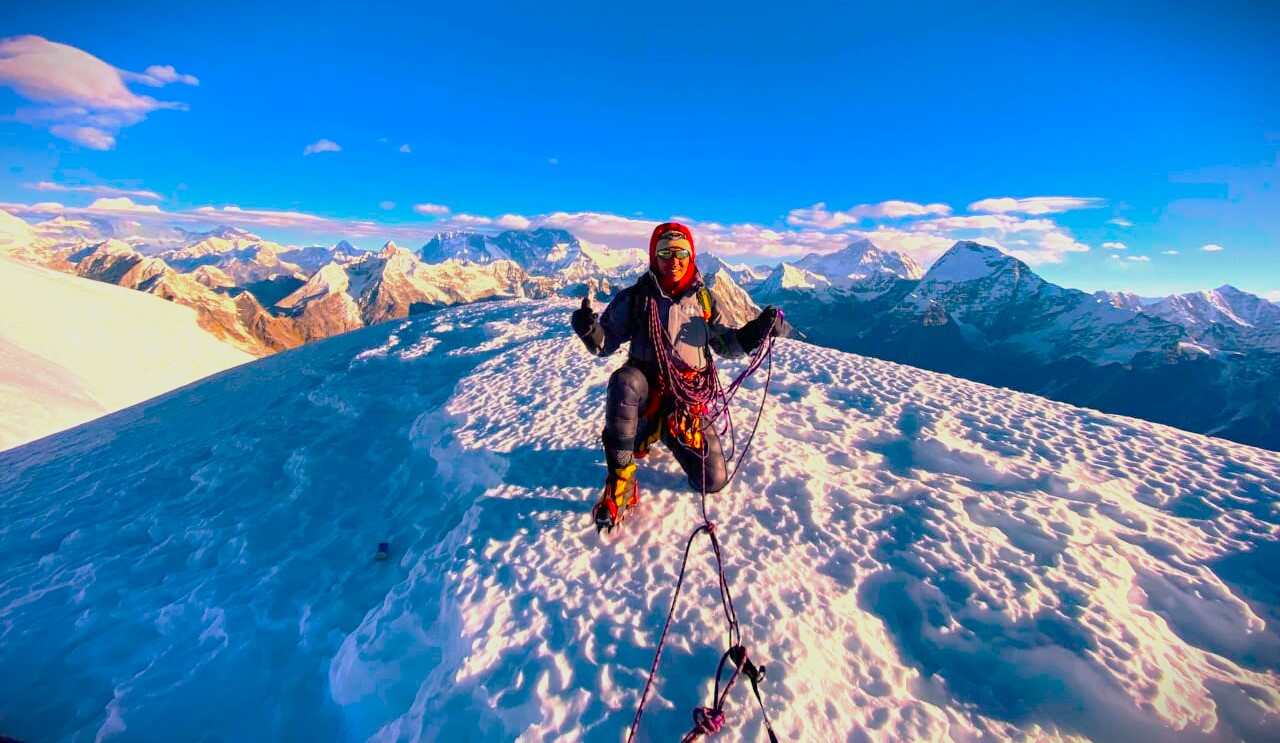
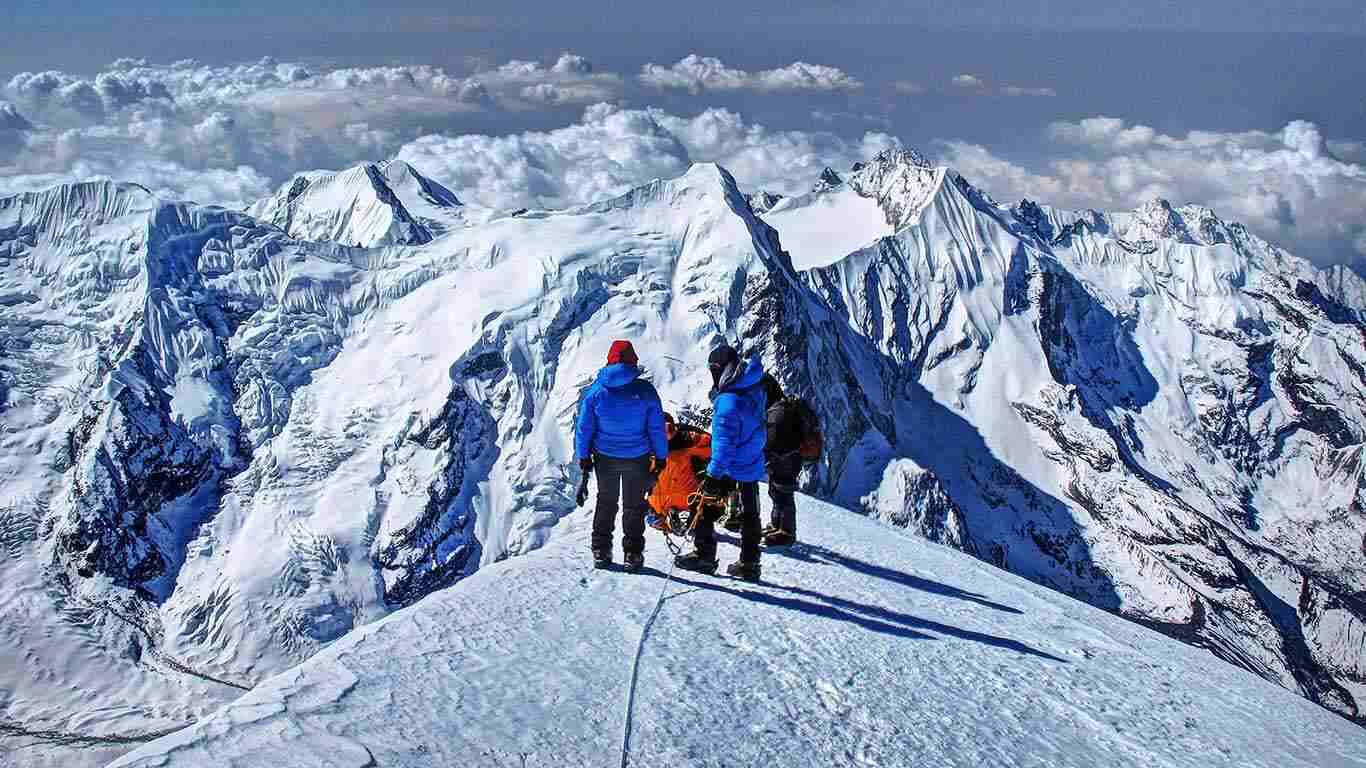
Trekkers embark on a challenging ascent to Mera Peak, the pinnacle of their trekking adventure. The climb begins in the darkness, with icy terrain and snow-covered slopes. As the sun rises, the landscape becomes golden, offering breathtaking views of the surrounding mountains and glaciers. Despite the physical challenges, trekkers press on, fueled by the desire to reach the summit and the sense of accomplishment.
After several hours of strenuous climbing, they reach the summit at an impressive altitude of 6,461 meters (21,247 feet). The panoramic views from the summit fill them with a sense of awe and wonder at the beauty of the Himalayas. After a brief rest and refreshment, they continue their descent back to Khare, where they reflect on the incredible journey and the sense of achievement they have achieved.
Mountain Lodge
Breakfast, Lunch & Dinner
A spare day in the Himalayas is a crucial safety precaution for trekkers, providing flexibility and peace of mind in unpredictable mountain conditions. Trekkers wake up in Khare, the base camp for Mera Peak, and observe the weather conditions outside. They plan their day accordingly, either relaxing or exploring the surrounding area. Despite the uncertainty, trekkers make the most of their spare day, immersing themselves in the natural beauty of the Himalayas. They closely monitor the weather forecast and remain prepared with adequate supplies. As the day draws to a close, trekkers gather for dinner, sharing stories and reflecting on their journey. As they retire, they are grateful for the spare day’s resilience and flexibility.
Tent Camp
Breakfast, Lunch & Dinner
|
Highest Altitude
|
3,678 M |
|---|---|
|
Trek Duration
|
5-6 hrs |
The trek from Khare to Kothe offers a scenic journey through the Himalayas, retracing steps and reminiscing about memories from Mera Peak. The trail descends through rocky terrain, alpine meadows, charming villages, and lush forests, with colorful prayer flags and stone chortens adding to the spiritual atmosphere. After several hours, trekkers arrive at Kothe village, offering warm hospitality and comfortable accommodations. The relaxed atmosphere allows for reflection on the journey and camaraderie among trekkers. After the day, trekkers retire to their accommodations, feeling grateful for the beauty and majesty of the Himalayas and the memories they made.
Mountain Lodge
Breakfast, Lunch & Dinner
|
Highest Altitude
|
3,900 M |
|---|---|
|
Trek Duration
|
6:30 hrs |
The trek from Ko to Thuli Kharka is a thrilling journey through the Himalayas, offering stunning views and unforgettable experiences. The trail starts with a gradual ascent through lush forests and alpine meadows, followed by more rugged terrain with rocky paths and steep inclines. Trekkers may encounter grazing yaks and local wildlife. After several hours, they reach Thuli Kharka, a high-altitude grazing pasture at 3,900 meters. The village is a hub of activity, with trekkers from around the world sharing stories. After the day, they retire to their accommodations, feeling grateful for the beauty and majesty of the Himalayas.
Mountain Lodge
Breakfast, Lunch & Dinner
|
Highest Altitude
|
2,860 M |
|---|---|
|
Trek Duration
|
7:30 hrs |
The trek from Thuli Kharka to Lukla via the Zatrwa La Pass is a challenging yet rewarding journey through the rugged Himalayas. The trail starts with a steep ascent, followed by a steep descent through alpine meadows and rhododendron forests. The journey is marked by rocky paths, snowfields, and icy patches, requiring careful navigation and steady footing. The summit of the Zatrwa La Pass, standing at 4,610 meters, offers breathtaking panoramic views. The descent is equally challenging, with rocky slopes and slippery paths. Upon reaching Lukla, trekkers are greeted with warm hospitality and traditional Nepalese cuisine.
Mountain Lodge
Breakfast, Lunch & Dinner
|
Flight hours
|
30 Min |
|---|
Trekkers return to Kathmandu from Lukla, marking the end of their Himalayan adventure. The flight offers a final glimpse of Nepal’s mountainous landscapes, allowing them to reminisce about their experiences and share memories with fellow passengers. The flight takes off from Lukla Airport, offering breathtaking views of snow-capped peaks and winding valleys. As they descend towards Tribhuvan International Airport in Kathmandu, they feel nostalgic for the mountains and grateful for the opportunity to experience Nepal’s natural beauty firsthand. As they disembark, they carry with them memories and a renewed appreciation for the Himalayas.
Hotel
Breakfast/ Dinner
Trekkers depart Kathmandu, marking the end of their unforgettable journey in Nepal and the beginning of their return to their daily lives. The departure process begins at Tribhuvan International Airport, where they are greeted by friendly staff, pass through security checks, and await their flights. As the departure gate opens, they board their planes, taking in the majestic Himalayas before disappearing into the clouds. As they reflect on their journey, they feel gratitude for Nepal’s beauty and hospitality, carrying lessons learned and friendships forged during their time in the mountains.
Breakfast
Mera Peak is the highest trekking peak in Nepal, standing at an elevation of 6,476 meters (21,247 feet) above sea level. It is a popular destination for mountaineers and trekkers seeking an adventurous challenge in the Himalayas.
While Mera Peak Climbing is considered a technically straightforward climb, it does require a good level of physical fitness and previous trekking experience at high altitudes. Beginners should undertake thorough preparation and consider hiring experienced guides and support staff.
The best time to climb Mera Peak is during the spring (March to May) and autumn (September to November) seasons. These months offer stable weather conditions and clear skies, making for safer and more enjoyable climbing experiences.
Some of the risks associated with climbing Mera Peak include altitude sickness, extreme weather conditions, and technical challenges such as crevasses and icefalls. Trekkers should undertake proper acclimatization and be prepared for changing weather conditions.
While previous mountaineering experience is not mandatory, it is beneficial to have some basic mountaineering skills and knowledge of high-altitude trekking. Hiring experienced guides and support staff can greatly enhance the safety and success of the climb.

If the above itinerary does not meet your needs, we are happy to customize the trip as per your need.
 Easy
EasyKathmandu is the capital city of Nepal. It is famous for its rich history and culture and located in Kathmandu Valley. The total population of Kathman...
 Moderate
The Arun Valley in Nepal is a hidden gem known for its natural beauty, rich biodiversity and cultural diversity. It spans between the Everest and Maka...
 Easy
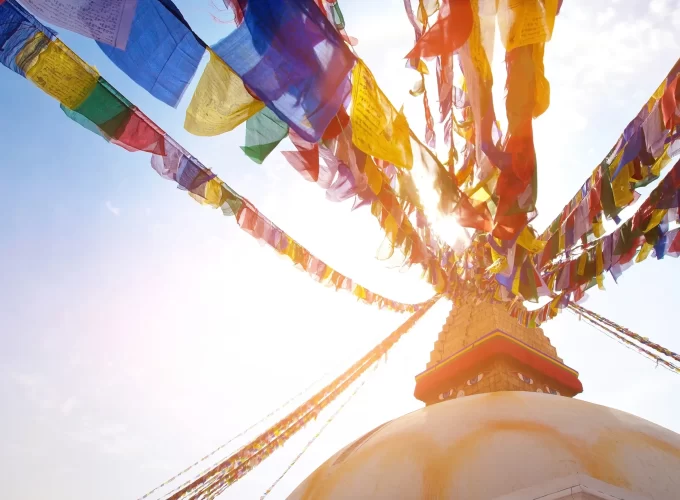
EasyInitiate on an unforgettable 8-day journey through Nepal’s cultural gems and breathtaking scenery with the Taste of Nepal Tour. Enjoy guided sig...
 Moderate
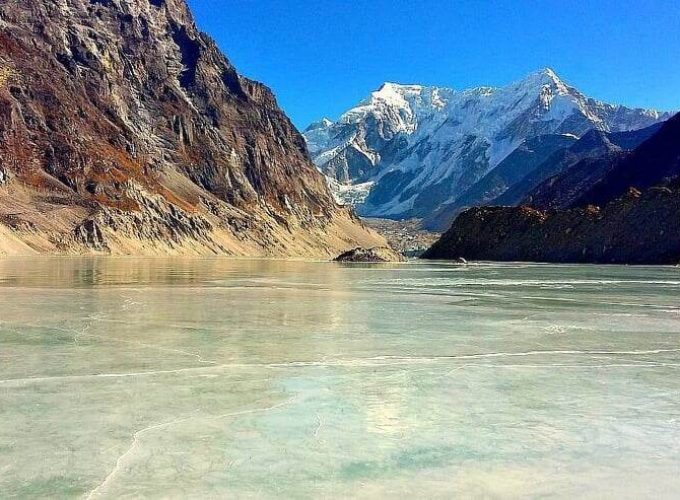
Tsho Rolpa, a stunning glacial lake in Nepal’s Rolwaling Valley is a hidden gem with crystal-clear turquoise waters fed by melting glaciers. Tre...

Leave a reply